What is SEO? A Complete Beginner’s Guide to Search Engine Optimization
SEO is one of the most important parts of digital marketing. It helps websites rank higher on search engines like Google, Bing, and Yahoo. When a website appears on the first page of Google, it can get more visitors, traffic, and customers without paying for ads. That is why businesses, bloggers, and marketers focus heavily…
SEO is one of the most important parts of digital marketing. It helps websites rank higher on search engines like Google, Bing, and Yahoo. When a website appears on the first page of Google, it can get more visitors, traffic, and customers without paying for ads. That is why businesses, bloggers, and marketers focus heavily on SEO.
In 2026, SEO has become an essential skill for website owners, freelancers, bloggers, and online businesses. Whether you have a blog, an eCommerce store, or a YouTube channel, SEO can help you grow your online presence and reach more people organically. Learning SEO may seem difficult at first, but beginners can easily understand it step by step.
What is SEO?
SEO stands for Search Engine Optimization. It is the process of improving a website so that it ranks higher in search engine results pages (SERPs). The main goal of SEO is to increase organic traffic from search engines without using paid advertisements.
When users search for something on Google, SEO helps search engines understand your content and decide whether it should appear in search results.
Why is SEO Important?
SEO is important because it helps websites gain visibility online. A well-optimized website can attract targeted visitors who are already searching for related information, products, or services.
Benefits of SEO
Increases Website Traffic
SEO helps websites appear higher on Google, bringing more visitors.
Builds Trust and Credibility
Users trust websites that rank on the first page of search engines.
Improves User Experience
SEO also focuses on website speed, mobile friendliness, and easy navigation.
Generates Long-Term Results
Unlike paid ads, SEO can continue bringing traffic for a long time.
Helps Businesses Grow
SEO increases online visibility, leads, and sales for businesses.
How Search Engines Work
Search engines use bots and algorithms to find and rank web pages.
Crawling
Search engine bots scan websites and discover pages on the internet.
Indexing
After crawling, search engines store website information in their database.
Ranking
Google ranks pages based on quality, relevance, and user experience.
Types of SEO
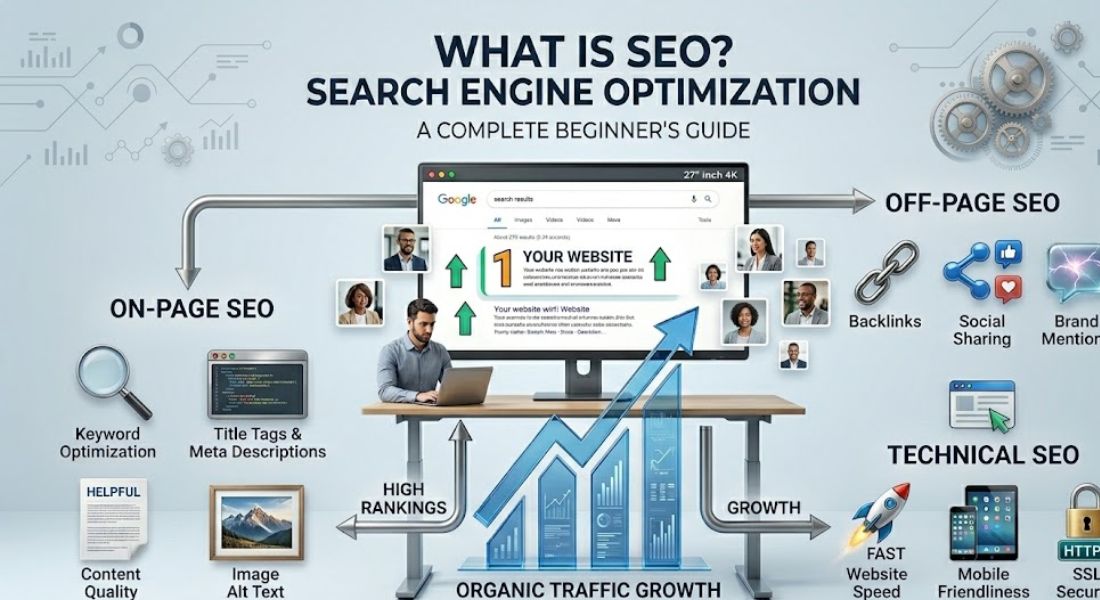
SEO is divided into different categories that work together to improve website rankings.
On-Page SEO
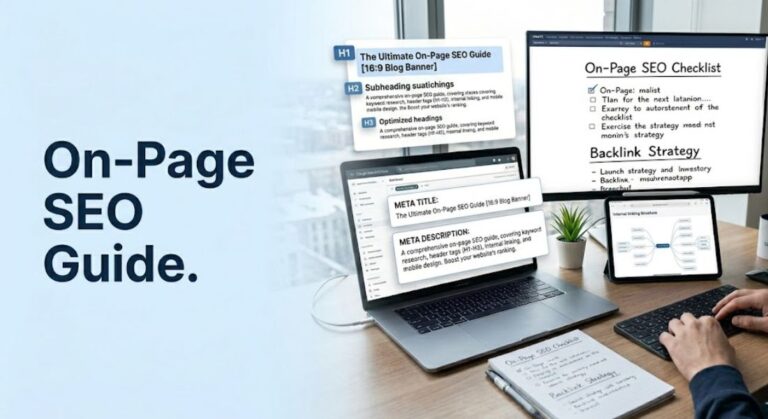
On-page SEO focuses on optimizing content and elements inside the website.
Important On-Page SEO Factors
Keyword Optimization
Using relevant keywords naturally in content.
Title Tags
Creating clear and attractive page titles.
Meta Descriptions
Writing short descriptions that encourage clicks.
Heading Structure
Using H1, H2, and H3 headings properly.
Internal Linking
Linking related pages within the website.
Image Optimization
Using alt text and compressed images.
Off-Page SEO
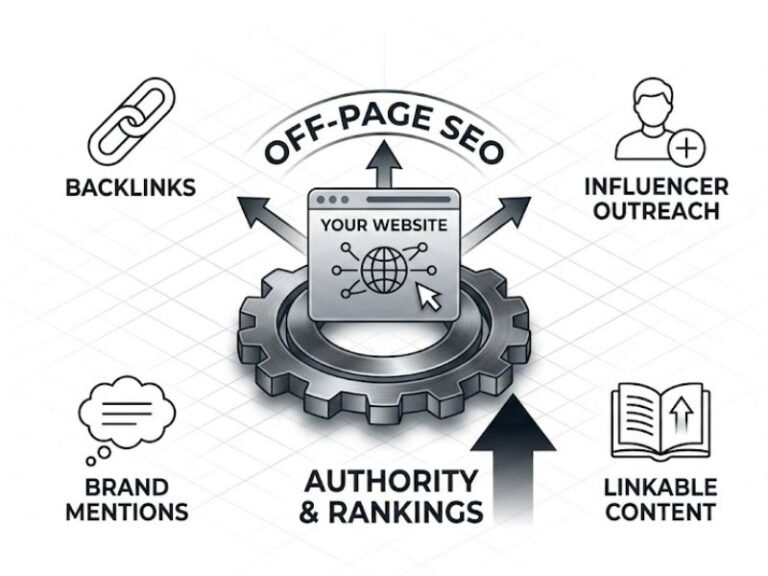
Off-page SEO focuses on activities outside the website that improve authority and rankings.
Important Off-Page SEO Techniques
Backlink Building
Getting links from other trusted websites.
Social Media Sharing
Promoting content on social media platforms.
Guest Posting
Writing articles for other websites.
Brand Mentions
Increasing online mentions of your brand or website.
Technical SEO
Technical SEO improves the technical performance of a website.
Important Technical SEO Factors
Website Speed
Fast-loading websites rank better.
Mobile Friendliness
Websites should work properly on mobile devices.
SSL Certificate
Secure websites using HTTPS are preferred by Google.
XML Sitemap
Helps search engines understand website pages.
Fixing Broken Links
Removing or fixing error pages and broken URLs.
What are Keywords in SEO?
Keywords are words or phrases people type into search engines.
For example:
- “What is SEO”
- “Best digital marketing tips”
- “How to rank website on Google”
Using the right keywords helps search engines understand your content.
Importance of Content in SEO
Content is one of the biggest ranking factors in SEO.
Good SEO Content Should Be
Helpful
Answer user questions clearly.
Original
Avoid copied or duplicate content.
Easy to Read
Use simple language and headings.
Optimized With Keywords
Use keywords naturally without stuffing.
Updated Regularly
Fresh content performs better in search engines.
Common SEO Tools
SEO professionals use tools to analyze websites and improve rankings.
Popular SEO Tools
- Google Search Console
- Google Analytics
- Ahrefs
- SEMrush
- Ubersuggest
- Yoast SEO
These tools help with keyword research, traffic analysis, and website optimization.
How Long Does SEO Take?
SEO is a long-term process. Most websites start seeing results within 3 to 6 months, depending on competition and strategy.
Factors affecting SEO results include:
- Website quality
- Content consistency
- Competition level
- Backlink quality
- Technical optimization
Common SEO Mistakes to Avoid
Keyword Stuffing
Using too many keywords unnaturally.
Duplicate Content
Copying content from other websites.
Ignoring Mobile Optimization
Websites must work properly on phones.
Slow Website Speed
Slow websites can lose rankings.
Poor Quality Backlinks
Spammy backlinks can harm SEO performance.
How Beginners Can Start Learning SEO
Beginners can start learning SEO by practicing on a simple website or blog.
Beginner SEO Learning Steps
Learn Basic SEO Concepts
Understand keywords, content, and rankings.
Create a Website
Practice SEO on your own blog.
Write SEO-Friendly Articles
Use proper headings and keywords.
Use Free SEO Tools
Analyze website performance regularly.
Follow SEO Updates
Google algorithms change frequently.
Future of SEO in 2026
SEO continues to grow as more businesses move online. AI, voice search, mobile optimization, and user experience are becoming more important in modern SEO strategies.
People with SEO skills can build careers in:
- Freelancing
- Blogging
- Affiliate marketing
- Content writing
- Website management
- Digital marketing agencies
Conclusion
SEO is the process of optimizing websites to rank higher on search engines and attract organic traffic. It is an important digital marketing skill that helps businesses, bloggers, and freelancers grow online. By learning on-page SEO, off-page SEO, and technical SEO, beginners can improve website visibility and build successful online careers. With consistency and practice, SEO can become a powerful source of long-term online growth.
FAQs
1.What does SEO stand for?
SEO stands for Search Engine Optimization.
2.Why is SEO important?
SEO helps websites rank higher on Google and increases organic traffic.
3.Is SEO difficult to learn?
No, beginners can learn SEO step by step with practice and consistency.
4.How long does SEO take to work?
SEO usually takes 3 to 6 months to show noticeable results.
5.What are keywords in SEO?
Keywords are words people search for on Google and other search engines.
6.What is the difference between on-page and off-page SEO?
On-page SEO focuses on website content, while off-page SEO focuses on backlinks and external promotion.
7.Is SEO free?
SEO itself is free, but some advanced tools and services may cost money.
8.Which tool is best for beginners in SEO?
Google Search Console and Google Analytics are great free tools for beginners.
9.Can SEO help businesses grow?
Yes, SEO increases website traffic, leads, and online visibility for businesses.
10.Is SEO still important in 2026?
Yes, SEO remains one of the most important digital marketing strategies in 2026.